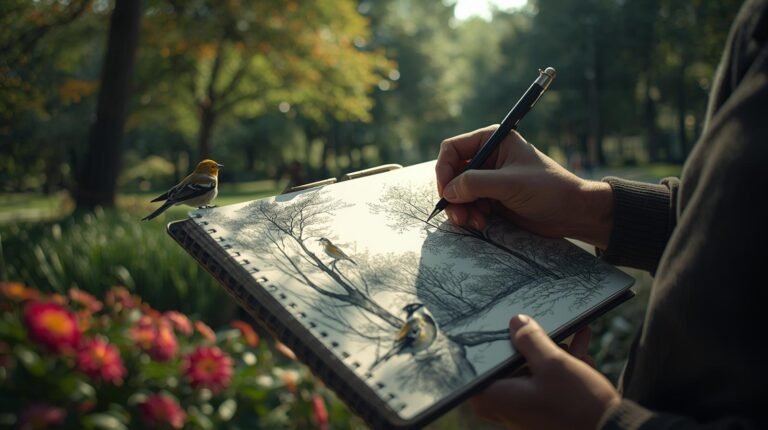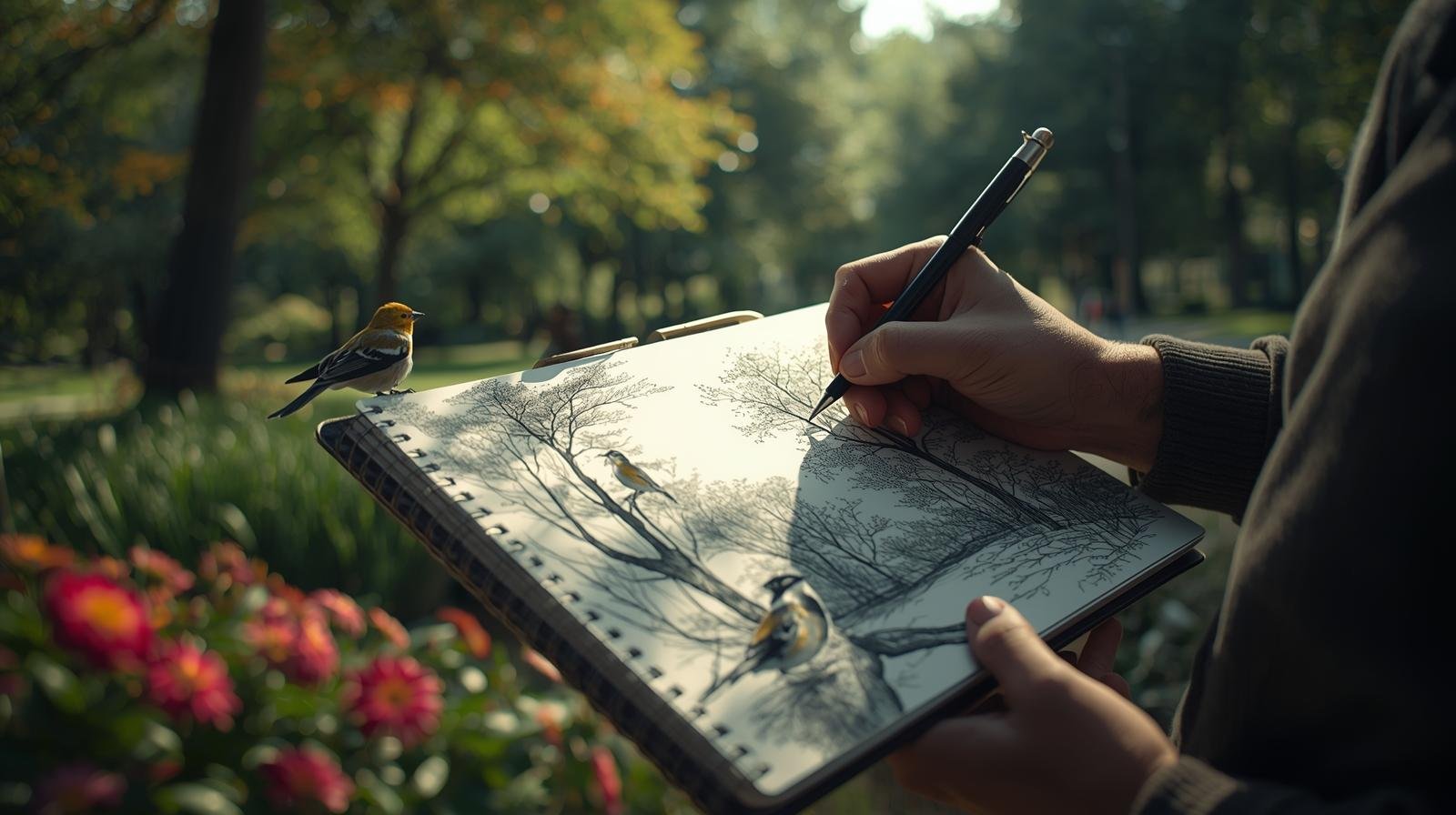
Nature and the environment provide a constant source of ideas for creative projects. Observing natural forms, colors, patterns, and interactions can guide artists in developing unique work. Learning to extract inspiration from surroundings requires careful observation, documentation, and analysis. This guide explains practical methods to draw ideas from nature and the environment for art, design, and other creative projects.
Observing Patterns in Nature
Patterns are abundant in natural environments. Look for:
- Leaf veins, flower petals, and bark textures
- Ripples in water or sand formations
- Cloud shapes and sky gradients
- Animal markings and movement patterns
Noticing patterns provides building blocks for design, composition, and artwork.
Studying Light and Shadow
Light and shadow create form and depth in nature. Observing sunlight at different times of day reveals changing angles, intensity, and color temperature. Shadows highlight shape and contrast. Artists can replicate or reinterpret these effects in painting, drawing, or digital projects.
Focusing on Color Palettes
Nature offers an array of color combinations. Seasonal changes, landscapes, and natural materials display harmonies or contrasts that can inspire palettes for art and design. Recording color schemes in notebooks or digital tools allows reference for future projects.
Capturing Movement
Motion in the environment provides ideas for dynamic compositions. Flowing water, swaying branches, and moving animals demonstrate rhythm, direction, and energy. Sketching or photographing movement supports understanding of how to represent action in static artwork.
Using Observation Journals
A nature journal is an effective tool to record ideas. Include sketches, notes, color swatches, or descriptive text. Journals serve as a reference and a way to track changes over time. Documenting details ensures ideas are not forgotten.
Paying Attention to Texture
Textures in natural objects inspire tactile and visual representation. Rough bark, smooth stones, or soft moss can inform surface design in painting, sculpture, or digital art. Touching, photographing, or sketching textures strengthens awareness.
Exploring Shapes and Forms
Natural shapes are varied and often asymmetrical. Observing leaves, rocks, shells, or branches provides inspiration for abstract shapes, geometric compositions, or structural design. Understanding the underlying form helps integrate natural motifs into creative projects.
Studying Interactions
Interactions within the environment, such as animal behavior, water flow, or plant growth, reveal patterns of cause and effect. Understanding interactions can inspire narrative elements or conceptual projects. Observing ecological relationships adds depth and context to creative work.
Practicing Sketching Outdoors
Drawing on location reinforces observation skills. Practice includes:
- Quick sketches to capture movement or gesture
- Detailed studies for texture, shape, or color
- Combining multiple observations into a composite design
Outdoor practice strengthens connection between observation and creative output.
Using Photography as a Tool
Photography documents fleeting moments and provides a reference for later work. Close-up shots reveal patterns and textures. Wide shots capture composition and perspective. Photos supplement sketches and notes to build an idea repository.
Incorporating Environmental Sounds
Listening to environmental sounds informs mood and rhythm. Birdsong, wind, water, and footsteps influence perception of space and pacing. Translating auditory input into visual or written work encourages multi-sensory creativity.
Seasonal Observation
Each season offers unique inspiration:
- Spring: Blooming plants and fresh growth
- Summer: Strong light, vibrant colors
- Autumn: Fading colors, patterns in leaves
- Winter: Minimalism, textures in snow or bare branches
Noting seasonal variations enhances understanding of natural change and informs long-term projects.
Exploring Urban Nature
Nature is not limited to forests or fields. Parks, gardens, rivers, and city greenery offer accessible sources of inspiration. Urban nature combines natural patterns with human influence, adding complexity and context to creative ideas.
Combining Observation with Imagination
Observation provides raw material; imagination transforms it. Combine elements from multiple observations, exaggerate forms, or reinterpret colors. This process generates original work while staying rooted in real-world inspiration.
Analyzing and Reflecting
Review sketches, photos, and notes regularly. Identify recurring patterns, themes, or shapes. Reflection helps recognize potential connections, leading to new concepts for creative projects.
Experimenting with Materials
Natural inspiration can guide experimentation with media:
- Replicate textures with pencils, brushes, or digital tools
- Use natural pigments or colors as reference
- Explore layering techniques to simulate natural forms
Hands-on experimentation strengthens translation from observation to creation.
Avoiding Copying Nature Directly
The goal is inspiration, not replication. Study, understand, and reinterpret natural elements to maintain originality. Using elements conceptually or aesthetically supports personal expression.
Practice Exercises
- Spend 30 minutes sketching a tree, noting shapes and texture.
- Collect natural objects and use them to develop a color palette.
- Observe a stream or river and capture movement in quick sketches.
- Combine multiple natural elements into a new composition.
Structured exercises build observational skills and creative application.
Reviewing Work for Application
Regularly review collected observations and creations. Identify ideas that can expand into larger projects. Determine which elements can be stylized, abstracted, or emphasized for creative impact.
Final Thoughts
Drawing ideas from nature and the environment requires attentive observation, recording, and reflection. Patterns, color, texture, movement, and interaction offer endless inspiration for creative projects. Using journals, sketches, photography, and experimentation strengthens the translation from observation to artwork. By practicing structured observation and applying imagination, artists can consistently develop original, meaningful, and conceptually rich creative projects.
About the Author