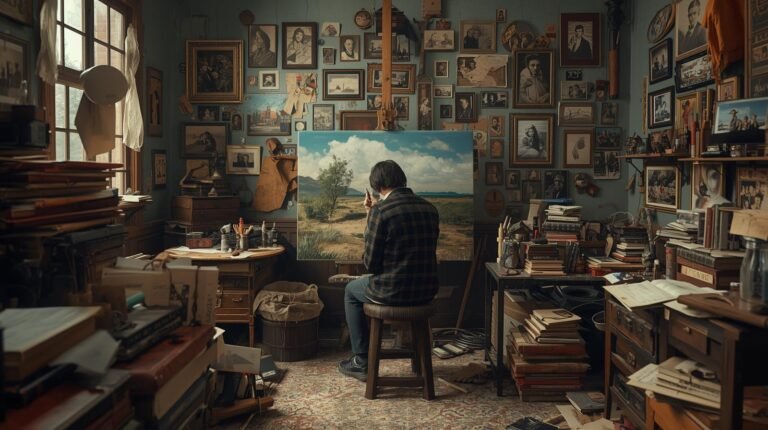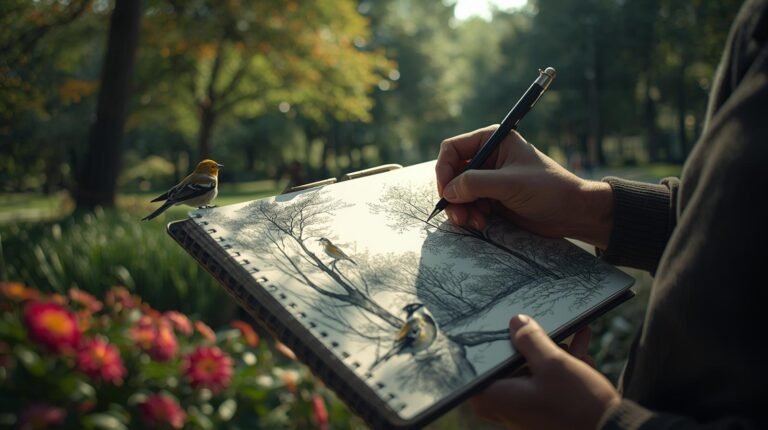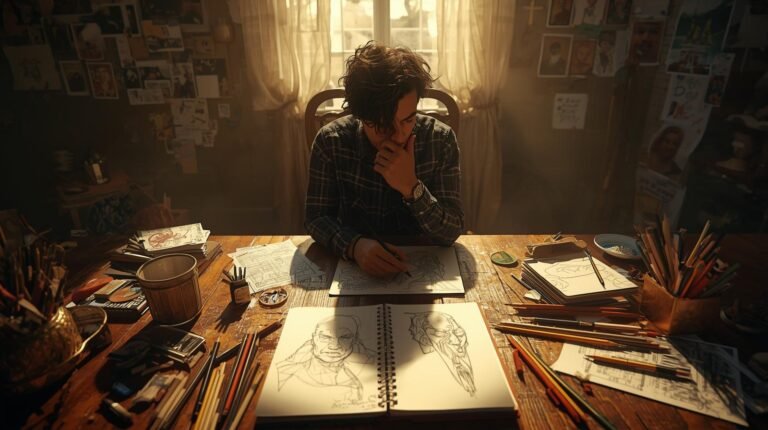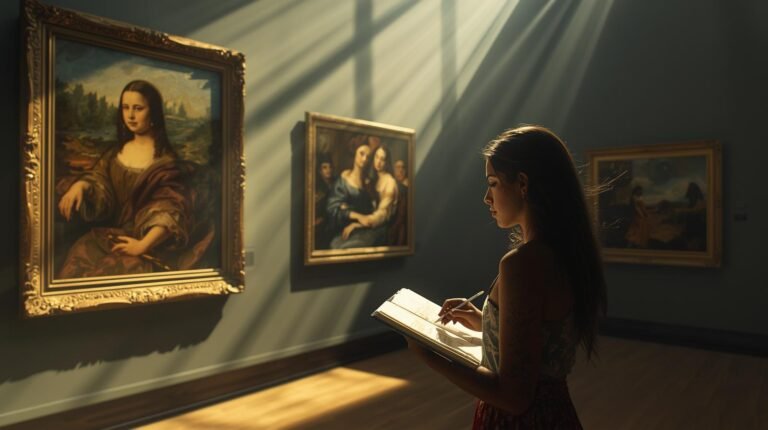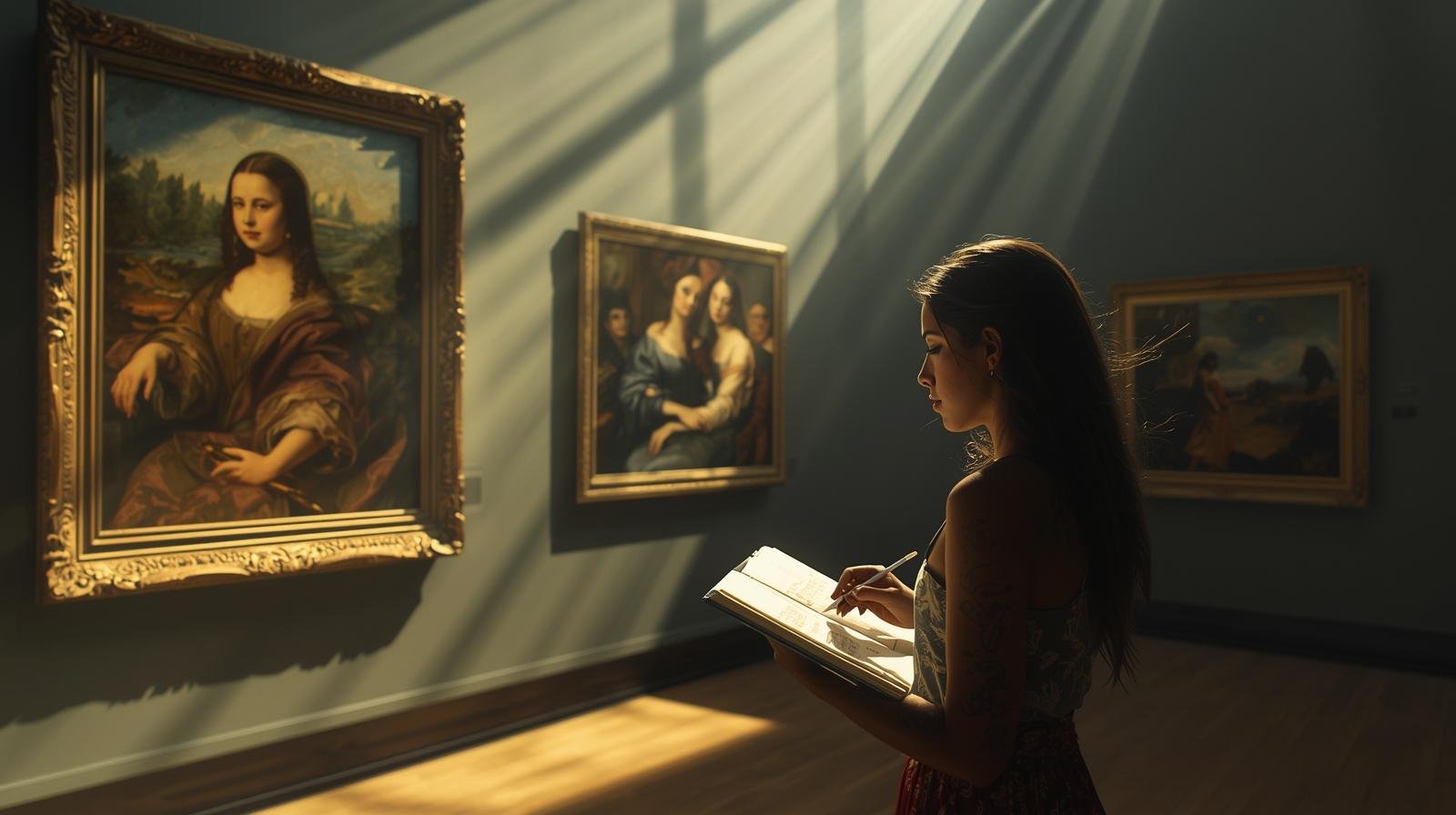
Personal experiences are a rich source of inspiration for creative projects. Drawing from memories, emotions, and daily life allows artists to create meaningful and authentic work. By reflecting on experiences, observing patterns, and translating them into visual or conceptual elements, creative work becomes unique and expressive. This guide explains how to use personal experiences to inform, motivate, and guide artistic projects.
Reflecting on Daily Life
Everyday activities provide ideas for art. Observing routines, interactions, or events uncovers themes and patterns. Recording these observations through journaling, sketching, or photography creates a reference library for future creative projects.
Documenting Experiences
Keep a personal record of experiences. Use a notebook, digital app, or sketchbook to note:
- Daily observations and thoughts
- Emotional reactions to events
- Scenes, places, or people encountered
- Questions or reflections on experiences
Documenting details ensures inspiration is captured before it fades.
Exploring Emotions
Emotions from personal experiences provide depth to artwork. Identify feelings associated with experiences—joy, curiosity, frustration, or calmness—and consider how to translate them visually, through color, line, or composition. Emotional connection enhances authenticity in creative projects.
Using Memory as a Tool
Memory allows selective focus on impactful moments. Reflect on past experiences, milestones, or challenges to identify significant events. Memories provide material for narratives, symbolism, or visual motifs that communicate personal stories effectively.
Observing Relationships
Relationships with people influence creative work. Notice interactions, conversations, or dynamics. Use these observations to inspire character design, composition, or storytelling. Interpersonal experiences often reveal universal themes relatable to a broader audience.
Translating Experience into Visual Elements
Transform experiences into visual components:
- Shapes and forms inspired by environments encountered
- Colors reflecting mood or atmosphere
- Patterns or textures representing physical or emotional sensations
- Symbols derived from objects, gestures, or routines
This approach bridges lived experiences with artistic expression.
Combining Experiences with Imagination
While experiences provide material, imagination allows reinterpretation. Combine events, memories, or emotions in novel ways to generate original concepts. This prevents literal replication while maintaining authenticity.
Using Storytelling Techniques
Narrative structure strengthens artwork inspired by personal experiences. Identify:
- Beginning, middle, and end of an experience
- Conflict or challenge encountered
- Resolution or insight gained
Storytelling techniques guide composition, sequence, and conceptual clarity in creative projects.
Engaging the Senses
Experiences involve multiple senses. Consider incorporating auditory, tactile, olfactory, or spatial elements into work. Represent textures, sounds, or movement visually to communicate the sensory aspects of an experience.
Journaling and Sketching
Daily journaling or sketching organizes inspiration:
- Quick sketches to capture movement or gesture
- Notes describing thoughts, observations, or feelings
- Color swatches or patterns observed in the environment
Regular practice strengthens the ability to translate experiences into artwork.
Revisiting Past Experiences
Reexamine old journals, photographs, or sketches to uncover overlooked ideas. Reflection provides new perspectives on previous experiences and enables re-interpretation for current projects.
Integrating Cultural Background
Cultural context shapes personal experiences. Consider traditions, customs, or social norms when translating experiences into creative work. Incorporating cultural elements adds depth and uniqueness.
Using Travel and New Experiences
New experiences, such as travel, exposure to different communities, or participation in events, expand inspiration. Observing unfamiliar environments enhances perspective and introduces novel visual or conceptual ideas.
Overcoming Creative Blocks
Creative blocks can occur when personal experiences feel ordinary or uninspiring. Strategies to overcome blocks:
- Reframe experiences from a new angle
- Combine multiple experiences to create contrast
- Focus on small details rather than the whole event
- Observe others’ responses to similar experiences for perspective
These methods maintain a flow of inspiration.
Practice Exercises
- Document a daily routine for a week and create sketches or notes from observations.
- Reflect on a significant memory and develop a visual composition representing it.
- Observe interactions in a public space and translate movement or gestures into abstract forms.
- Combine two different experiences into a single conceptual artwork.
Regular exercises improve the ability to use personal experiences creatively.
Applying Experiences to Different Mediums
Experiences can inspire work across various media:
- Painting: Translate emotions or memory into color and composition
- Sculpture: Represent textures, shapes, or forms from experiences
- Digital art: Combine photographs, sketches, or textures inspired by experiences
- Writing: Narrate events or reflections as a foundation for storytelling
Adapting inspiration to multiple mediums expands creative possibilities.
Reflecting and Reviewing
Periodically review creative projects inspired by experiences. Evaluate how effectively personal elements are communicated. Identify areas for refinement, new directions, or alternative interpretations to ensure growth in creative practice.
Final Thoughts
Using personal experiences as inspiration allows artists to produce authentic, meaningful, and original work. By observing daily life, reflecting on memories, documenting emotions, and translating experiences into visual or conceptual elements, creative projects gain depth and relevance. Combining experience with imagination, sensory observation, and storytelling strengthens creative output. Consistent practice, reflection, and experimentation ensure personal experiences remain a continuous and valuable source of inspiration for artwork.
About the Author