Watercolor painting is a widely practiced form of art. It allows artists to use water and pigment to create images with fluidity and transparency. While it can appear simple, watercolor requires careful attention to technique, timing, and layering. This guide provides a step-by-step explanation of the process and considerations involved in watercolor painting.
Understanding Watercolor Materials
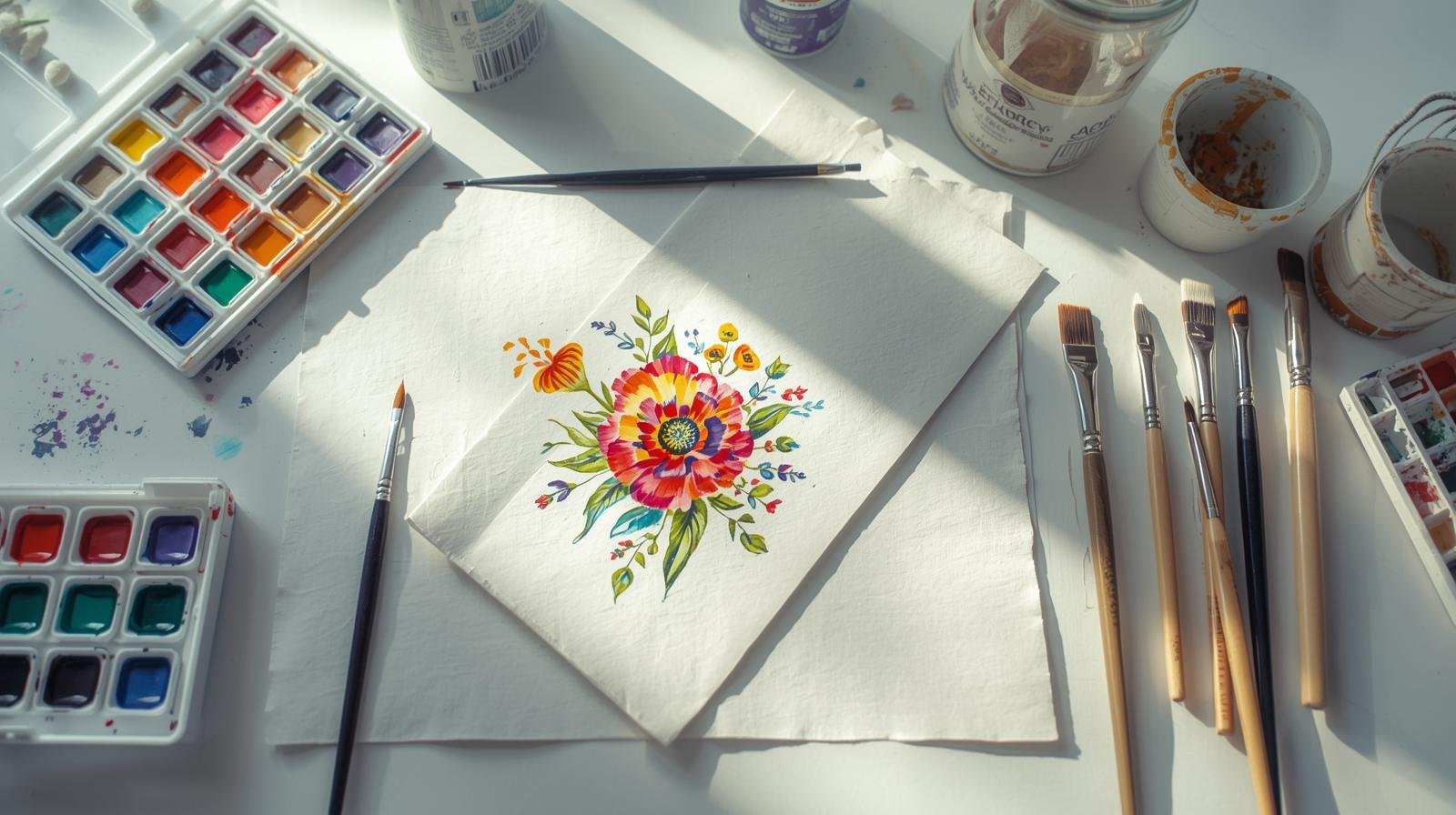
Watercolor painting begins with the selection of materials. Key items include watercolor paints, brushes, paper, and water containers. Each component affects the painting process.
- Watercolor paints come in pans or tubes. Pans require activation with water, while tubes provide concentrated pigment.
- Brushes vary in size and shape. Round brushes are versatile, flat brushes cover areas quickly, and detail brushes are used for fine lines.
- Paper must be designed for watercolor. Its absorbent quality allows pigment to spread without warping.
- Water containers provide clean water for diluting paint and rinsing brushes.
Selecting materials that suit the intended painting style and scale is an important first step.
Preparing the Workspace
Before painting, setting up the workspace is essential. Ensure the surface is stable, and all materials are within reach. Place paper on a flat or angled board to control paint flow. Have multiple water containers for mixing and cleaning brushes. Use paper towels or cloths to blot excess water.
Planning the Painting
Watercolor works best with planning. Begin by deciding on the subject and composition. Sketching outlines lightly with a pencil can provide guidance. Planning areas for light and dark tones helps maintain balance throughout the painting.
Mixing Colors
Color mixing is a critical step. Begin with primary colors and combine them to create secondary and tertiary shades. Testing colors on a separate sheet of paper can prevent unintended results on the main artwork. Water levels control pigment intensity: more water produces lighter tones, less water produces darker tones.
Applying the First Wash
The first layer is the wash. It sets the foundation for the painting. Use a wet brush and diluted paint to cover large areas. Keep strokes even and consistent. Allow the first wash to dry completely before applying subsequent layers.
Layering and Building Tone
Watercolor requires layering. After the initial wash, add additional layers to increase depth. Each layer should be lighter or darker depending on the intended effect. Wait for each layer to dry to prevent colors from mixing unintentionally.
Techniques for Detail
After building the base, attention turns to detail. Fine lines, textures, and shapes can be added using smaller brushes. Techniques such as lifting, where a damp brush removes pigment, create highlights and corrections. Dry brushing, where minimal water is used, produces controlled textures.
Blending and Gradients
Blending colors smoothly requires controlling water and brush movement. Gradual transitions between tones can be achieved by wetting adjacent areas before applying new pigment. Gradients help depict depth and form.
Correcting Mistakes
Mistakes are common in watercolor. Blotting with a clean, damp brush or paper towel can lighten unwanted areas. Lifting pigment allows adjustments without overworking the paper. Proper drying between corrections ensures the paper remains intact.
Adding Final Touches
Final touches bring focus and clarity. Darker tones, defined lines, or additional highlights may be applied. Step back periodically to assess balance and composition. Ensure that the painting aligns with the planned concept.
Drying and Preserving
Once completed, allow the painting to dry flat. Avoid exposure to direct sunlight to prevent fading. Store finished paintings under protective sheets or frames. Proper care preserves the work for extended periods.
Common Challenges in Watercolor
Watercolor presents challenges such as controlling water flow, maintaining paper integrity, and achieving consistent color. Practice helps develop control over these variables. Observing how water and pigment interact provides insight for future projects.
Benefits of Following a Step-by-Step Approach
A step-by-step approach ensures a structured process. It prevents overworking the paper, manages layering effectively, and creates a logical progression. Following steps improves efficiency and outcomes.
Practicing Regularly
Regular practice strengthens skill. Repetition helps artists understand brush pressure, water control, and pigment behavior. Practice can involve studies of shapes, objects, or simple compositions.
Observing and Learning
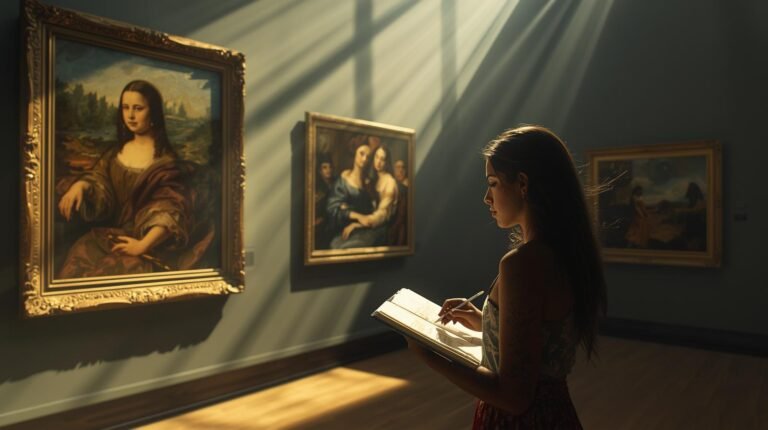
Observing other watercolor paintings provides reference for techniques. Understanding how experienced artists handle washes, layers, and detail informs personal practice. Replicating studies can enhance learning without copying final concepts.
Maintaining Materials
Proper maintenance extends the life of tools. Brushes should be cleaned after use and reshaped while wet. Paint tubes or pans should be sealed to prevent drying. Paper should be stored flat to prevent warping.
Conclusion
Watercolor painting combines material knowledge, planning, technique, and patience. A step-by-step approach guides artists from setup to final touches. Understanding materials, controlling washes, layering, and adding details ensures a structured painting process. Regular practice, observation, and material care improve outcomes over time. By following these steps, anyone can engage with watercolor painting and develop skill in this medium.
About the Author