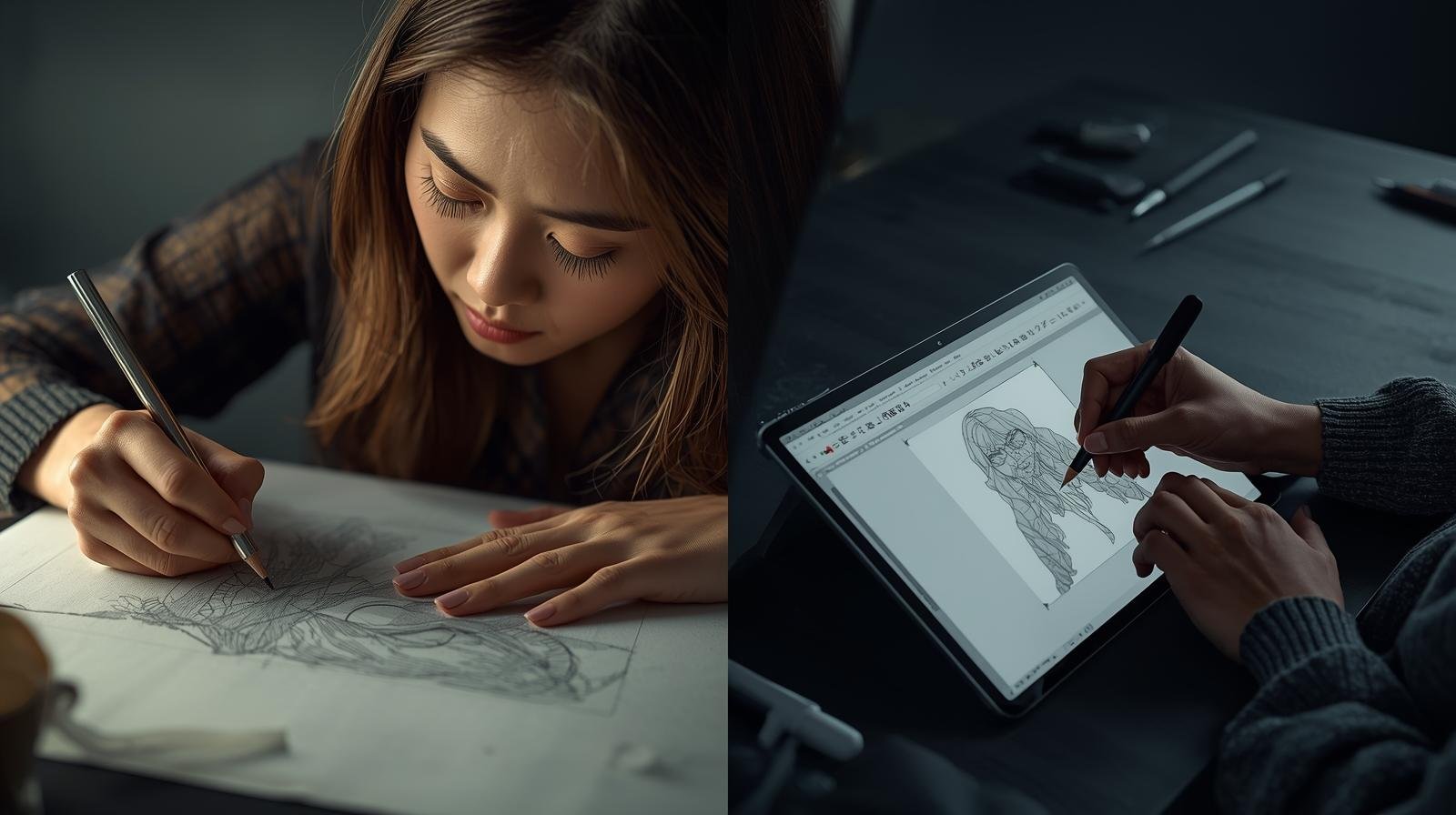
Digital illustration and traditional drawing are two methods for creating artwork. While both rely on skill, composition, and design principles, the tools and workflow differ significantly. Understanding the differences helps artists choose the best approach for their goals and adapt techniques effectively.
This guide explains key differences, advantages, and considerations for beginners and experienced artists.
Understanding Traditional Drawing
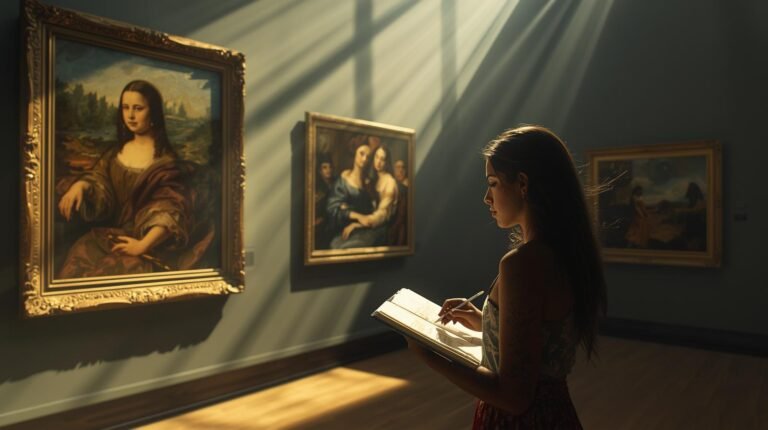
Traditional drawing uses physical media such as pencils, pens, charcoal, or ink on paper or canvas. It requires direct interaction with the surface, and every stroke is permanent unless erased. Traditional drawing emphasizes:
- Hand-eye coordination
- Pressure and stroke control
- Material handling
- Physical layering and texture
Traditional art develops tactile skills and an intuitive understanding of light, shadow, and form.
Understanding Digital Illustration
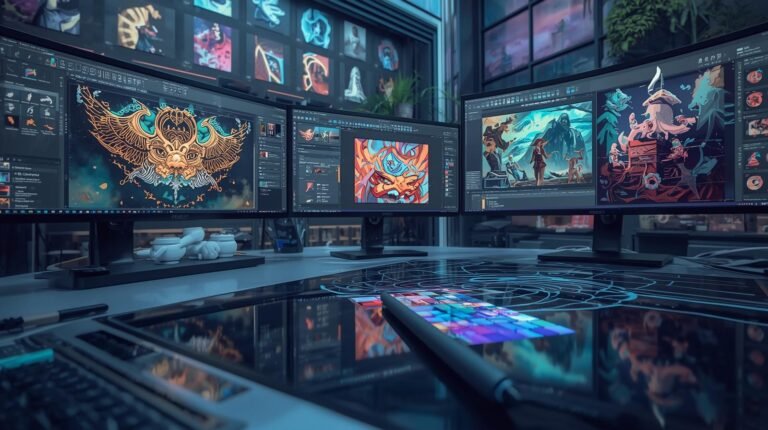
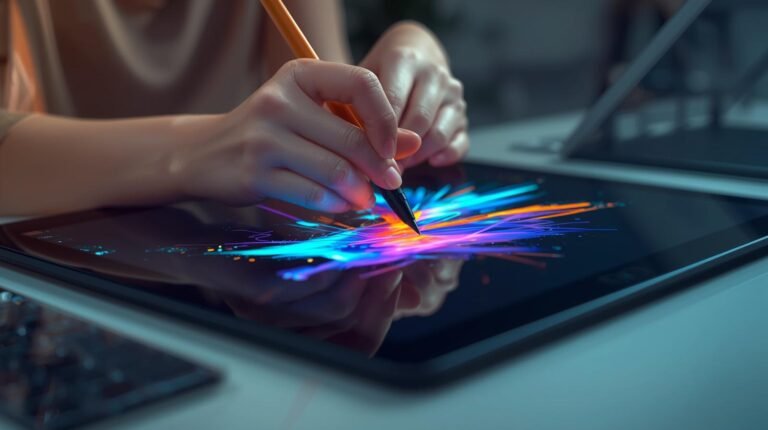
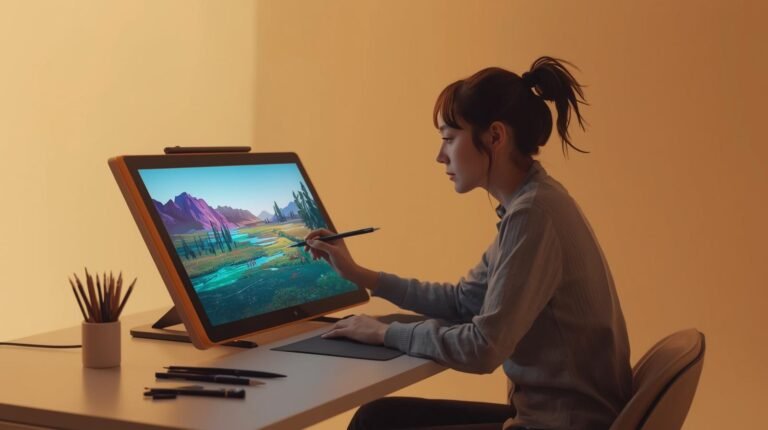
Digital illustration is created using software on a computer, tablet, or touchscreen device. Tools simulate brushes, pencils, and other media. Key features include:
- Undo and redo functions
- Layered workflow
- Adjustable brush settings
- Digital blending and effects
Digital art allows experimentation without permanent consequences, making it flexible and forgiving.
Tools and Materials
- Traditional drawing tools: Graphite pencils, colored pencils, charcoal, markers, erasers, and sketchbooks.
- Digital tools: Graphic tablets, stylus pens, and software such as Photoshop, Procreate, or Clip Studio Paint.
The choice of tools influences workflow, precision, and final output.
Workflow Differences
Traditional workflow involves:
- Sketching outlines
- Layering colors or shading
- Adding textures and details
Digital workflow allows:
- Sketching on a separate layer
- Adding color, shading, and highlights on multiple layers
- Adjusting, transforming, or correcting elements easily
Digital workflow offers more flexibility and allows experimentation without risk.
Color and Blending
- Traditional drawing requires mixing pigments physically. Blending is done manually using tools like blending stumps or brushes.
- Digital illustration allows instant color adjustments and smooth blending using software tools. Layer effects and opacity control facilitate complex color transitions.
Digital tools reduce errors in color management while traditional methods require planning and skill.
Texture and Stroke
- Traditional strokes create tactile texture. The type of paper or surface contributes to final appearance.
- Digital strokes are simulated but can mimic traditional textures using specialized brushes or settings. Custom textures can be applied without altering the surface physically.
Understanding texture control is essential in both methods for realism or stylistic effects.
Advantages of Traditional Drawing
- Develops hand control and tactile skills
- Encourages observation and patience
- Produces original physical artwork
- Requires minimal technology
Traditional drawing builds foundational artistic skills.
Advantages of Digital Illustration
- Undo and redo increase experimentation
- Layers allow adjustments without damaging work
- Easy distribution and reproduction
- Wide variety of tools and effects
Digital illustration is efficient and versatile for modern workflows, including publishing, animation, and web content.
Challenges in Each Medium
Traditional drawing challenges:
- Mistakes may be hard to correct
- Limited ability to experiment
- Materials can be costly over time
Digital illustration challenges:
- Learning software can be complex
- Tablet coordination requires adaptation
- Digital tools can be expensive
Understanding challenges helps artists plan their approach.
Transitioning Between Mediums
Many artists practice both digital and traditional methods. Skills transfer between mediums:
- Observation, perspective, and composition apply in both.
- Brush stroke understanding benefits digital painting.
- Digital tools allow experimentation with traditional techniques virtually.
Hybrid approaches provide flexibility and creative freedom.
Practice Exercises
- Draw a simple object using pencil, then replicate digitally.
- Experiment with shading traditionally, then compare blending digitally.
- Use both methods to create a landscape and note differences in workflow.
- Focus on layer management digitally versus physical layering traditionally.
Practicing both methods strengthens artistic skill and adaptability.
Choosing the Right Medium
Selection depends on goals:
- Personal enjoyment or tactile practice: Traditional drawing
- Publishing, animation, or commercial work: Digital illustration
- Learning fundamentals: Traditional first, digital later
Both mediums offer valuable learning experiences.
Observing Other Artists
Study artists in both fields. Observe brushwork, texture, composition, and workflow. Learn how traditional methods inform digital techniques and vice versa.
Final Thoughts
Digital illustration and traditional drawing share principles but differ in tools, workflow, and flexibility. Traditional drawing develops tactile skill and foundational understanding, while digital illustration offers efficiency, correction, and versatility. Learning both enhances artistic capability and adaptability. By pra
About the Author