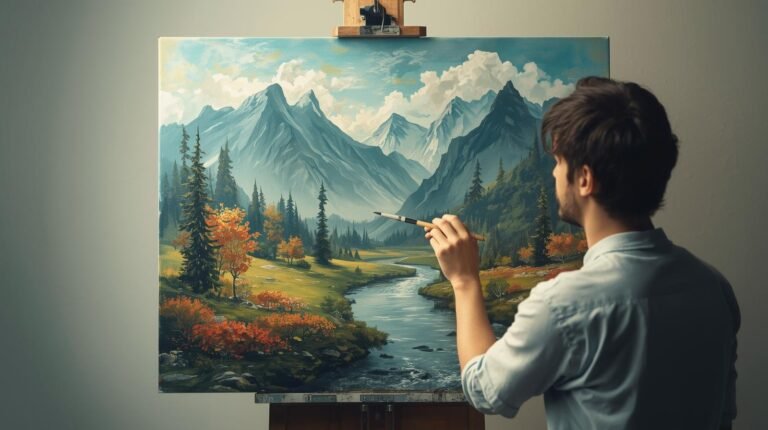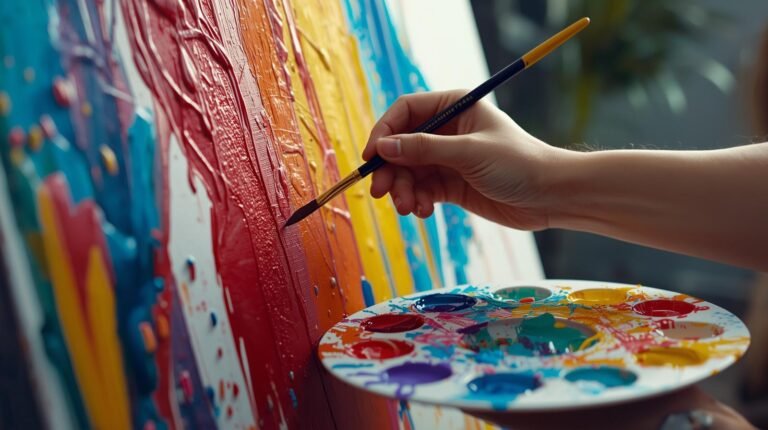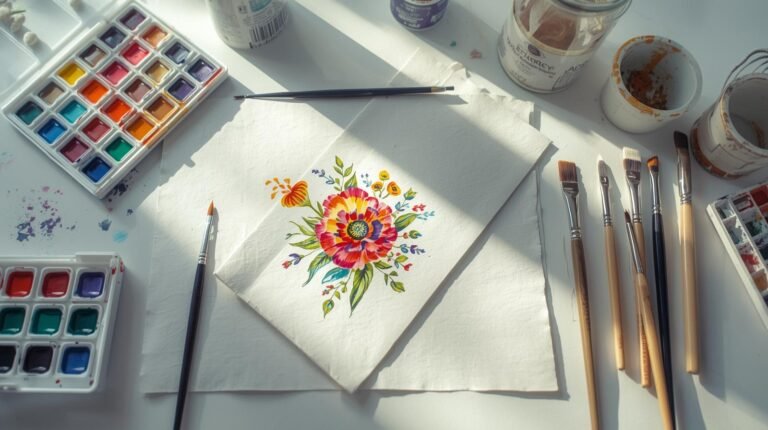
Brush strokes and texture are fundamental elements in painting. They influence how a painting communicates form, movement, and depth. Every stroke conveys direction, weight, and emotion. Texture gives physical or visual interest, creating layers that guide the viewer’s perception. Understanding how brush strokes and texture work is essential for artists in any medium, including watercolor, acrylic, and oil painting.
This article explains types of brush strokes, techniques to create texture, and how to use both elements to enhance artwork.
The Role of Brush Strokes in Painting
Brush strokes are the marks made by brushes on a surface. They are not merely functional; they communicate intention and style. Direction, pressure, and speed influence the outcome of a stroke. By controlling brush strokes, artists convey movement, shape, and energy.
Types of Brush Strokes
Brush strokes vary depending on brush shape, paint consistency, and technique. Common types include:
- Straight strokes: Linear lines to define edges or structure.
- Curved strokes: Used to follow form or suggest motion.
- Dabbing: Creating dotted patterns for texture or foliage.
- Crosshatching: Overlapping lines for shading and depth.
- Stippling: Small dots for fine detail and surface effects.
Understanding the appropriate use of each type ensures clarity in the final composition.
Controlling Brush Pressure
Pressure affects the width and intensity of a stroke. Light pressure produces thin, subtle marks. Heavy pressure creates bold, visible strokes. Varying pressure within a single stroke produces dynamic effects. Practicing control develops precision and expressive potential.
Using Brush Angle and Direction
The angle of the brush influences shape and texture. Holding the brush perpendicular to the surface produces crisp lines. A flat angle spreads paint for coverage. Directional changes convey movement and form. Combining angles enhances visual interest.
Layering Strokes for Depth
Layering brush strokes creates depth and complexity. Overlapping strokes build dimension and volume. Light transparent layers provide subtlety, while thicker layers increase prominence. Waiting for layers to dry ensures clarity and prevents color mixing that reduces contrast.
Creating Texture in Painting
Texture adds tactile or visual interest. It can be smooth, rough, raised, or varied. Artists use several methods to create texture:
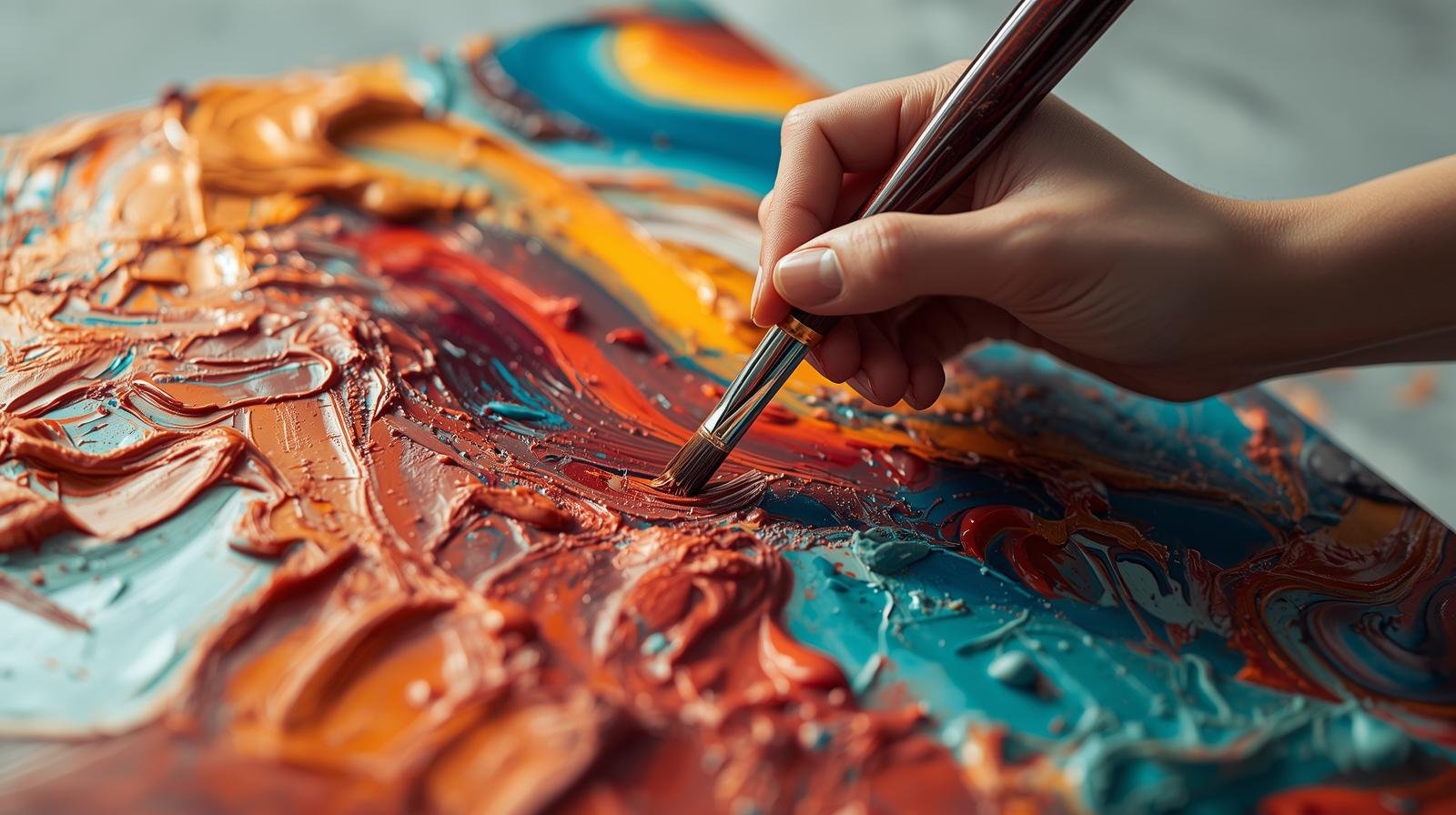
- Impasto: Thick paint applied with brushes or palette knives for raised surfaces.
- Dry brushing: Minimal paint produces scratchy, textured marks.
- Sgraffito: Scratching into wet paint reveals layers underneath.
- Sponging: Dabbing with a sponge creates irregular textures.
- Palette knife techniques: Applying paint with a knife shapes rough surfaces.
Combining methods allows versatile expression and enhances realism or abstraction.
Visual vs Physical Texture
Visual texture is the illusion of texture, achieved with brush strokes or color variation. Physical texture is actual raised surfaces on the painting. Both types impact viewer perception. Visual texture can suggest form or material, while physical texture engages touch and light interaction.
Brush Selection and Texture
Brush shape and bristle type affect texture. Round brushes provide smooth lines and detail. Flat brushes create broad, even coverage. Fan brushes create streaks and patterns. Stiff bristles produce coarse texture, soft bristles produce smooth effects. Matching brush to effect improves technique.
Combining Strokes and Color
Brush strokes are enhanced by thoughtful color application. Varying hues across strokes creates depth. Contrasting colors emphasize form. Blending tones within strokes adds dimension. Color and stroke together communicate volume, light, and focus.
Practice Exercises for Brush Strokes
Practical exercises strengthen control:
- Practice straight, curved, and circular strokes on scrap paper.
- Apply layered strokes with varying pressure.
- Create a simple object using only dry brush strokes.
- Experiment with overlapping strokes to simulate texture.
Regular practice develops muscle memory and improves consistency.
Avoiding Common Mistakes
Beginners often make errors with brush strokes:
- Overworking paint can muddy colors.
- Uneven pressure can produce unintended lines.
- Applying strokes without direction reduces form clarity.
Understanding these pitfalls helps maintain control and improves outcomes.
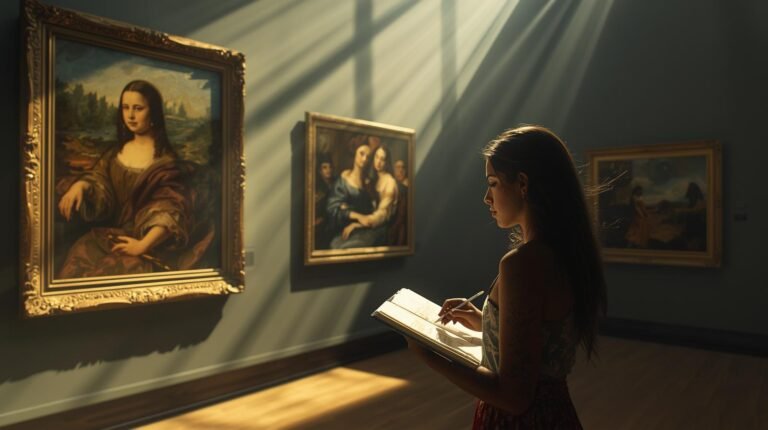
Observing Master Artists
Studying works of experienced painters provides insight. Observe stroke direction, layering, and texture techniques. Copying small sections for practice develops understanding without replicating entire works.
Integrating Texture into Composition
Texture should support the composition. It emphasizes focal points and creates balance. Overuse can distract. Subtle texture guides the eye and communicates material properties. Planning texture placement enhances clarity and depth.
Tools Beyond Brushes
Other tools extend texture creation:
- Palette knives
- Sponges
- Rags
- Fingers
These tools introduce variation and allow unique effects that complement brush strokes.
Adapting Techniques to Medium
Each painting medium responds differently:
- Watercolor allows soft, flowing strokes and subtle texture.
- Acrylic enables layering, impasto, and varied brush pressure.
- Oil permits blending and extended working time for texture manipulation.
Understanding medium behavior ensures effective stroke and texture application.
Refining Detail and Focus
Detailing relies on controlled brush strokes. Fine lines, highlights, and edges define objects. Texture adds realism and depth. Combining careful strokes with textural effects balances clarity with expressiveness.
Practice Routine for Mastery
Consistent practice enhances skill:
- Daily brush stroke exercises.
- Creating studies focused on texture.
- Layering small compositions.
- Experimenting with tools and mediums.
Structured practice improves precision, control, and expressive ability.
Maintaining Tools
Brushes and tools must be cleaned properly. Acrylic and oil brushes require solvents or water, depending on medium. Storing tools preserves bristle shape and functionality. Clean brushes produce consistent strokes and textures.
Final Thoughts
Brush strokes and texture are core components of painting. They communicate form, depth, and motion. Mastering stroke types, pressure, angle, layering, and texture techniques enhances artistic control. Regular practice, observation, and tool maintenance strengthen skill. Understanding these elements enables artists to create expressive, structured, and visually engaging artwork.
About the Author